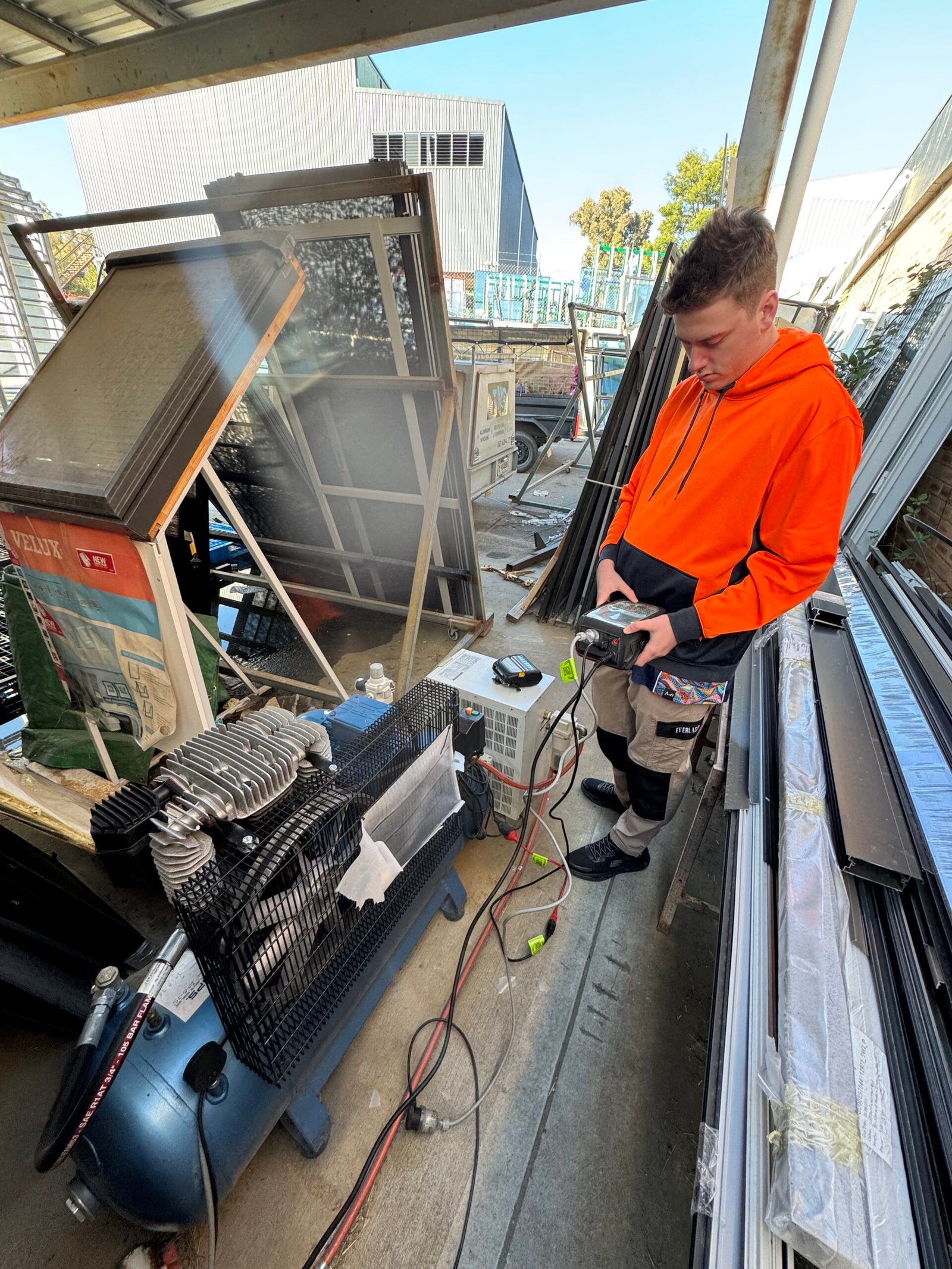
Electrical testing is a routine part of maintaining a safe workplace, but the records that sit behind that testing are often overlooked. A tag on a lead or appliance shows that it was checked at one point in time. The test record, however, tells the full story: what was tested, how it performed, and whether it met the required safety thresholds under the relevant Australian Standards.
For businesses, this distinction matters.
When electrical equipment is tested in accordance with AS/NZS 3760, the process generates measurable data. This typically includes:
These results are recorded against individual assets, creating a traceable history of each item over time. This is what allows a workplace to move beyond “it was tagged” to a position where safety can be demonstrated, not assumed.
In many workplaces, electrical safety is reviewed as part of internal audits, WHS inspections, or insurance assessments. In these situations, a visible tag alone is rarely sufficient.
What is typically required is evidence that:
Detailed test records provide that evidence. They allow a business to show not only that testing has been completed, but that it has been carried out in a structured and accountable way.
For businesses managing multiple areas, departments, or sites, record keeping becomes even more important. Without clear documentation, it becomes difficult to:
Well-maintained records provide a single source of truth, helping to ensure that electrical safety is applied consistently across the workplace.
Electrical testing is not a one-off activity. It is a cyclical part of a well-designed WHS system. Equipment condition changes over time due to use, handling, and environmental factors such as heat, dust, and moisture. Test records make these changes visible.
By reviewing historical results, patterns can be identified, such as recurring failures in certain types of equipment or specific areas of a site. This allows businesses to make informed decisions about maintenance, replacement, or adjustments to testing frequency.
In this way, records support not just compliance, but ongoing risk management.
At its core, electrical compliance is about ensuring that equipment is safe to use and that risks are identified before they result in incidents. Testing is part of that process. Accurate, detailed records are what make that process accountable.
For businesses looking to maintain a structured and reliable approach to electrical safety, working with providers who deliver clear, traceable reporting is essential. You can learn more about how this is delivered through professional Liberty Test & Tag services, including detailed reporting aligned with AS/NZS 3760 requirements.
About the Author
Mark Peters is the company director of Liberty Test & Tag in NSW, a family-owned Australian compliance provider specialising in electrical safety testing, RCD testing, and workplace compliance. With over 25 years of experience across WHS and education, his work focuses on helping businesses implement clear, defensible electrical safety systems that stand up to real-world use, audits, and inspections.