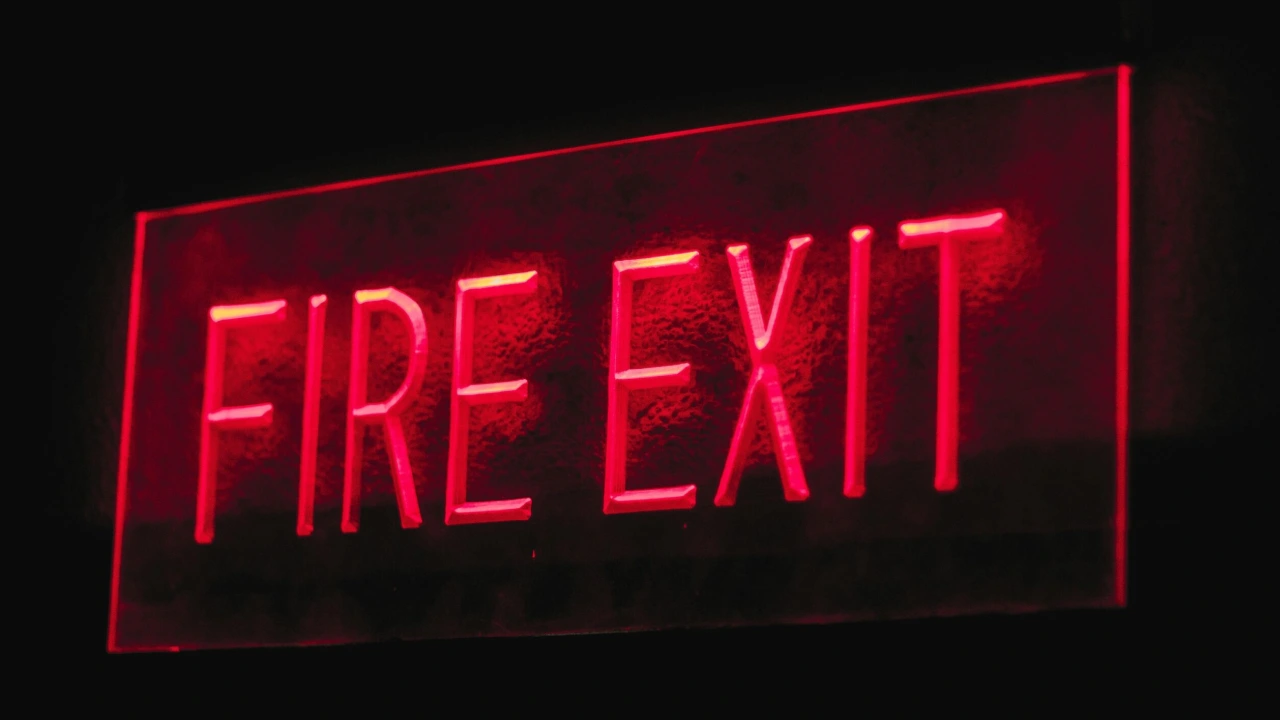
When the lights go out in an emergency, a well-maintained exit sign provides direction, reduces panic, and saves critical seconds. For anyone responsible for a commercial building, from a facilities manager to a business owner, ensuring these systems work is a fundamental part of your duty to everyone who walks through your doors.
You might know the basics: the lights need testing. But understanding the why and how makes all the difference in fostering a genuinely safe environment.
At Neon Safety, we specialise in ensuring Perth businesses are not just compliant, but truly safe. This guide will walk you through everything you need to know about emergency light testing in Western Australia.
Understanding Emergency and Exit Light Testing
Emergency and exit light testing is a systematic inspection and performance check of all your building’s life-saving illumination. This includes the red and green exit signs and the dedicated emergency luminaires that activate during a power failure.
The goal for testing is simple: to verify that every light will function correctly, for the required duration, to illuminate escape routes and safety equipment.
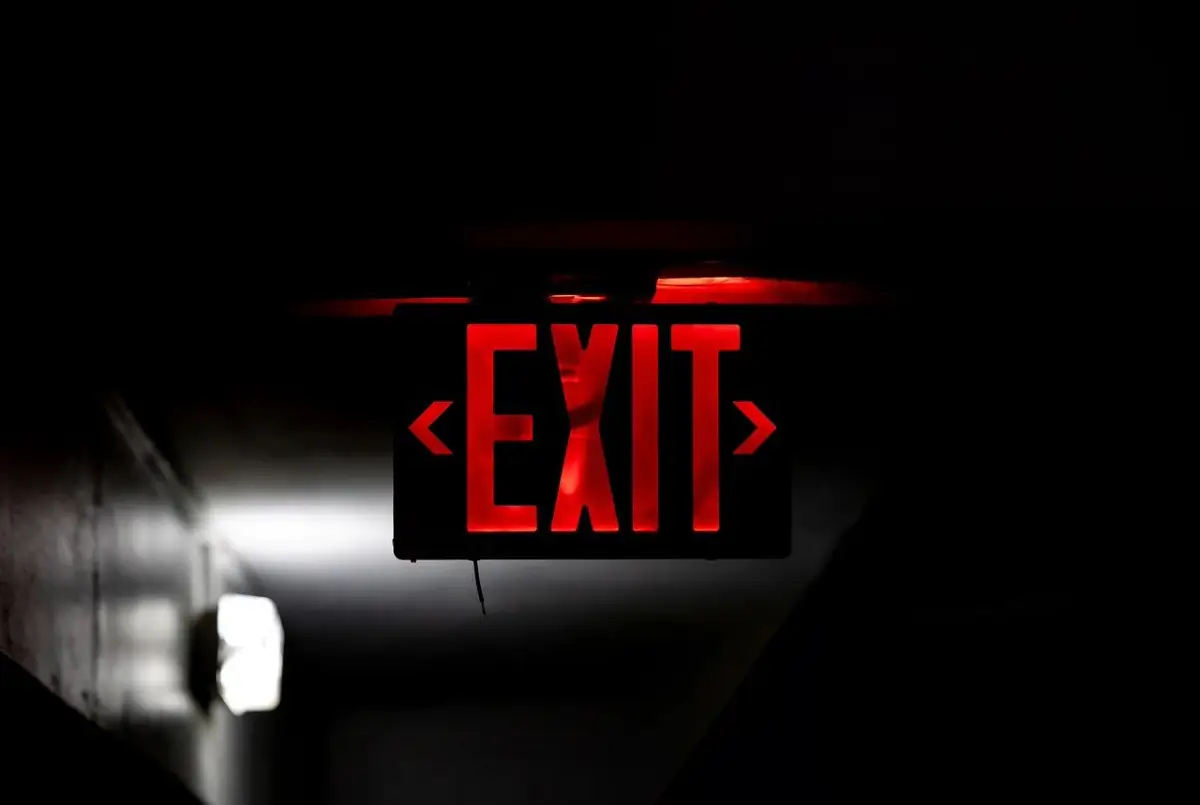
The process, as outlined in the Australian Standard AS/NZS 2293.2:2019, confirms two main things: that the lights work, and that they are placed correctly. This includes:
- Battery and Function Checks: Simulating a mains power failure to ensure every unit switches to battery mode and stays illuminated.
- Placement and Visibility Verification: Making sure lights are not obstructed and provide clear, unambiguous direction towards the nearest safe exit.
Why Testing is Non-Negotiable?
Your emergency lighting is a silent safety guard. It stands ready around the clock, but you only know if it’s truly fit for duty when you check. The Australian Standard AS/NZS 2293.2 exists for this exact reason, providing a clear framework for maintenance.
Beyond the obvious safety risk during an actual evacuation, failure to comply with this standard can leave you exposed under Western Australia’s work health and safety laws
- Compliance with Australian Standards: Adherence to AS/NZS 2293.2:2019 is not optional. It’s the benchmark for safe practice. Regular testing and meticulous record-keeping are explicit requirements of this standard.
- Duty of Care: You have a primary duty of care to ensure the safety of workers, tenants, clients, and visitors. Non-functioning emergency lighting during an evacuation can lead to panic, injury, and tragically, loss of life.
- Avoid Hefty Penalties: Failure to comply with WHS laws can result in severe fines and, in cases of negligence, imprisonment. The cost of professional testing pales in comparison to potential penalties.
- Insurance Validity: Many insurance policies require proof of regular compliance and maintenance. If an incident occurs and your emergency lighting hasn’t been tested, your insurer may deny the claim.
It can also shake the trust of your staff and clients. Regular testing is the straightforward solution that protects people, your premises, and your peace of mind.
What a Thorough Test Actually Looks Like
A proper emergency and exit light testing goes beyond a quick glance to see the green sign is on. A qualified technician will conduct a two-part process at your workplace.
First, they perform a functional check. This involves using a test key to simulate a power failure, confirming each unit activates instantly
The second and crucial part is the annual duration test. Here, the lights are left running on battery for a full 90 minutes to guarantee they can provide illumination for the entire required evacuation time.
Throughout this, the technician is also verifying that each light and exit sign is correctly positioned, unobstructed, and legible.
The final step is just as important as the test itself: clear documentation. A detailed report and a completed compliance logbook give you tangible proof that your system meets all legal requirements.
Spotting Problems Before They Become Failures
Over time, even the best systems can develop issues.
Common problems we find during our tests across Perth include batteries that have reached the end of their lifespan, damaged fittings, blocked signage from new shelving or renovations, and simple wear and tear.
- Flat or Degraded Batteries: Batteries lose capacity over time and are the most common point of failure.
- Damaged or Faded Units: Physical wear and tear or sun damage can reduce visibility.
- Poor Placement or Obstructed Signs: New shelves or renovations can accidentally block an exit sign, rendering it useless.
- Burnt-Out LED Lamps or Fluorescent Tubes: Prompt replacement restores function.
- Faulty Chargers or Control Circuits: Our technicians diagnose and repair these internal faults.
- Forgotten Logbooks: Many businesses have the tests done but miss the vital step of keeping the compliance records up to date.
The goal of regular testing is to catch these issues during a scheduled visit, not during a power outage at 3 PM on a busy Tuesday.
Keeping Your Perth Property Safe and Compliant
Maintaining your emergency lighting is one of the most effective, yet often overlooked, aspects of building management. It’s a practical investment in safety that ensures your most critical systems won’t let you down.
Our team at Neon Safety is dedicated to providing this essential service with clarity and reliability. We help Perth businesses navigate the standards without the confusion, offering trusted testing and straightforward advice.
If you’re reviewing your property’s maintenance schedule or your annual test is due, we’re here to help. Feel free to call our Perth office on 0424 093 035 or visit our website for more information. Let’s make sure your safety lighting is prepared, so you can be too.
Our Testing Process
When our certified technicians from attend your Perth site, we follow a comprehensive process:
- Initial Assessment: We start by identifying every emergency and exit light in your facility against your building’s safety plan.
- Functional Testing: Each light is tested using a dedicated test switch to confirm it activates upon power loss.
- The Critical Duration Test: Annually, we conduct a full 90-minute discharge test. This is the key test that proves the batteries can sustain the lights for the entire required evacuation time.
- Clear Documentation and Advice: You receive a detailed report noting the condition of each unit and any recommendations. We also complete your statutory logbook, providing the paper trail that demonstrates your compliance.